

ECONOMIC OPPORTUNITY VISION
LOCAL JOBS AND OWNERSHIP. LOWER COSTS.
LONG-TERM STRENGTH.
A self-reliant economy means Alaska families are not at the mercy of outside prices or supply chains. This plan grows Alaska's economic self-reliance.
-
By prioritizing Alaskans and Alaska businesses when they are cost-competitive, public dollars have a bigger local impact. Smart purchasing and responsible resource development help ensure projects create local jobs and return real value to Alaskan communities.
-
Alaskans should be able to act quickly when opportunities appear. Cutting unnecessary delays and streamlining permits without lowering standards helps small businesses and rural entrepreneurs get moving. By including tribal startups and rural businesses, growth can be statewide.
-
Alaska can fund essential services without first raising taxes on families. Recovering uncollected revenues and ending inefficient tax breaks helps stabilize the budget while protecting schools, public safety, and infrastructure. Independent reviews can keep the process transparent and disciplined in order to protect Alaskan wallets.
-
Investments in energy, transportation, housing, and logistics create long-term jobs when paired with apprenticeship-first approaches, university pathways, and workforce planning. Infrastructure spending should lead to durable, in-state careers, not short-term booms.
-
Food security is economic security. Supporting local food production, processing, storage, and supply chains lowers reliance on costly imports and strengthens subsistence hunting and fishing. A modest in-state buffer for key staples helps protect families from price spikes and supply disruptions, especially in rural Alaska.
-
Supporting off-season and locally driven tourism helps regions build steady visitor economies. Growth should not come at the cost of housing availability or strained local services, but rather strengthen communities and increase revenue.
-
Lower costs and better job opportunities support a more self-reliant Alaska. Strong in-state systems for energy, food, housing, and infrastructure lower household expenses and create skilled local jobs. Over time, Alaska depends less on booms and more on its own people.
TOM’S ECONOMIC EXPERIENCE
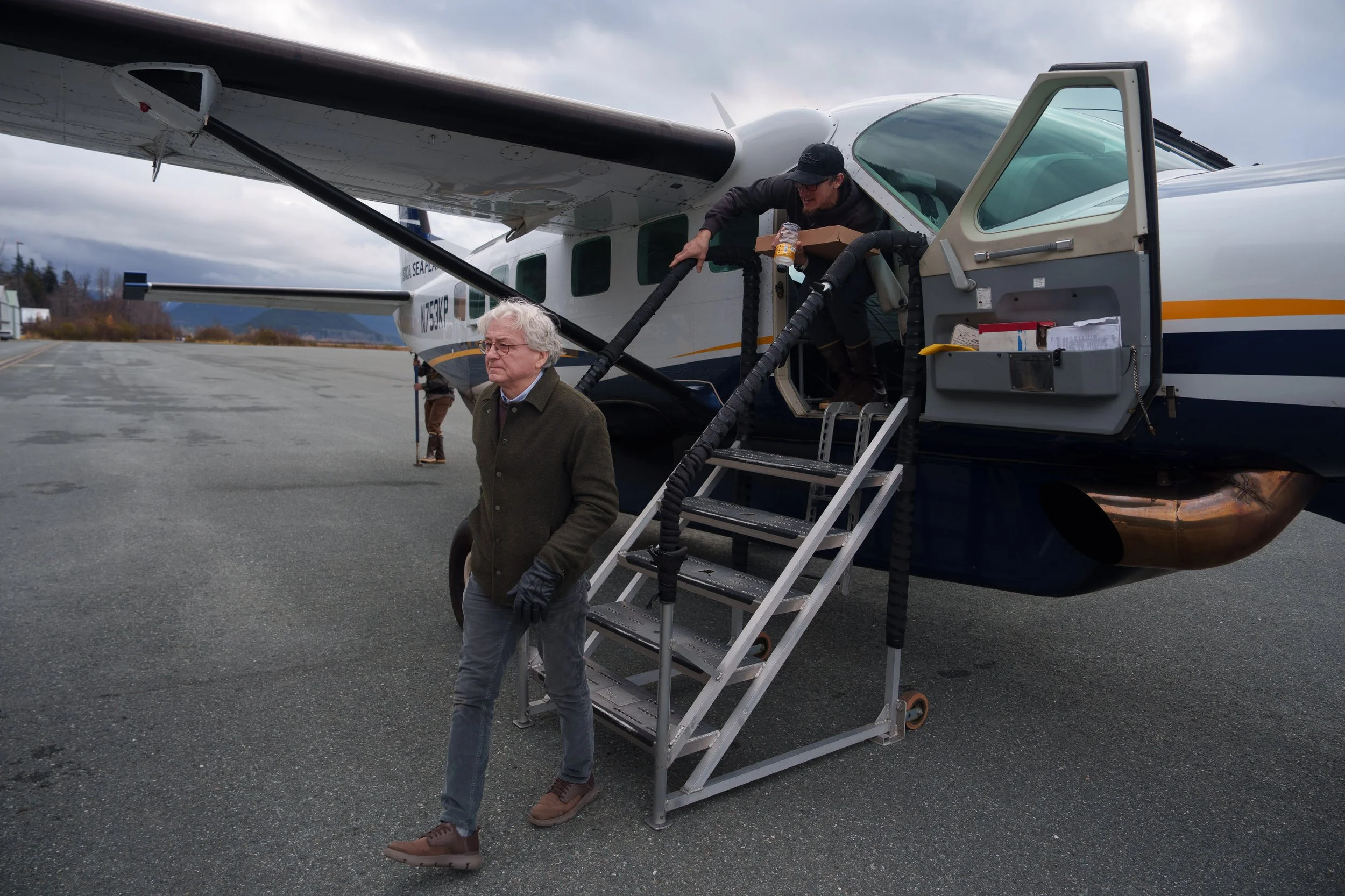
Through CW Communications, Tom has spent more than three decades supporting organizations in securing funding, strengthening operations, and building long-term economic stability.
He has worked with communities across Alaska, from the Northwest Arctic Borough to Ketchikan, helping them plan for the future.